Data Engineering Partner vs In-House Team: How Buyers Should Think About the Tradeoff
A grounded framework for deciding when to hire a data engineering partner, when to build internally, and when to combine both.
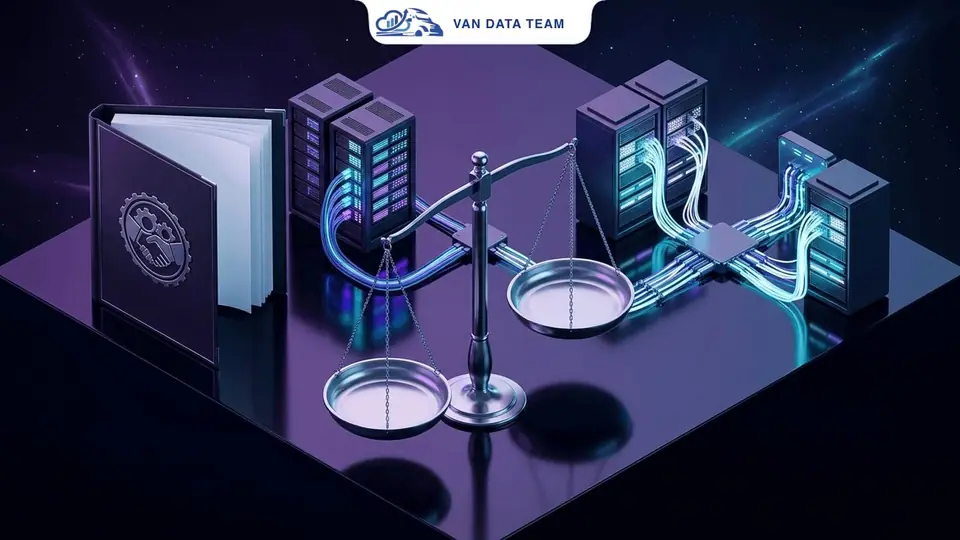
Teams usually compare a data engineering partner with an in-house hire as if the decision were permanent. In practice, the better question is more operational: who can reduce the current bottleneck with the least drag and the cleanest ownership path afterward?
That matters because data problems are rarely abstract. There is usually a reporting backlog, a warehouse migration, unstable pipelines, or a new AI initiative that depends on better data movement. The pressure is already real.
The hidden cost of waiting for the perfect hire
Hiring can be the right long-term move, but it has a real lead time. Sourcing, interviews, onboarding, and internal ramp-up take longer than many teams expect.
While that happens, the business pressure keeps moving:
- analysts keep patching data manually
- reporting logic stays fragmented
- engineering teams keep working around missing pipeline capacity
- AI projects stay blocked because the data layer is not ready
This is often the moment when a partner creates leverage. Not because external support is always cheaper, but because it can compress the time between recognizing the problem and actually shipping the fix.
A partner is strongest when the bottleneck is already visible
If the team already knows the pain point, a strong external partner can move quickly:
- scope the current workflow
- identify the fragile parts of the data path
- design the target warehouse and pipeline pattern
- ship the first production version with documentation and handoff
This model works especially well for defined initiatives such as:
- warehouse rebuilds
- new reporting layers
- ingestion and orchestration cleanup
- cost or performance tuning for existing data platforms
Internal teams are strongest where context compounds
An internal hire becomes more valuable over time when the work requires continuous product context, cross-team prioritization, and long-term stewardship.
That usually includes:
- evolving metric definitions
- supporting changing product analytics needs
- maintaining day-to-day relationships with stakeholders
- owning the data roadmap after the initial architecture is in place
The decision is not only about technical output. It is about who needs to live with the system and interpret the business behind it every week.
The blended model is often the best one
For many companies, the best answer is not either-or. It is a staged model:
- use a partner to accelerate architecture, implementation, and early hardening
- keep internal ownership of business definitions and long-term priorities
- transition the operating model cleanly once the system is stable
This gives the company speed without creating a permanent dependency on outside execution.
What buyers should ask before choosing
Whether you hire internally or use a partner, the evaluation questions should stay practical:
- who will own the architecture decisions
- how fast can the work start
- what does handoff look like
- where does business context live
- who is accountable after launch
These questions matter more than generic debates about outsourcing or headcount strategy.
The takeaway
The smartest data engineering decision is usually the one that matches the current operating constraint.
If the pressure is speed, specialized delivery, or getting a blocked initiative moving, a partner can be the fastest path. If the need is permanent context and long-range ownership, in-house investment becomes more valuable. And in many cases, the strongest answer is to combine both on purpose instead of pretending the choice has to be absolute.

Founder of Van Data Team. Builds Vanaxity, the AI agent system for SEO, GEO, and AEO, and leads data engineering delivery for B2B teams.
About the authorArticle FAQ
Questions readers usually ask next.
These short answers clarify the practical follow-up questions that often come after the main article.
Need a similar system?
If this article maps to a workflow your team already operates, the next step is usually a scoped review of the system, constraints, and rollout path.
Consultation
Scope your next AI workflow.
Share the system and blockers. We will map fit, gaps, and the next step.