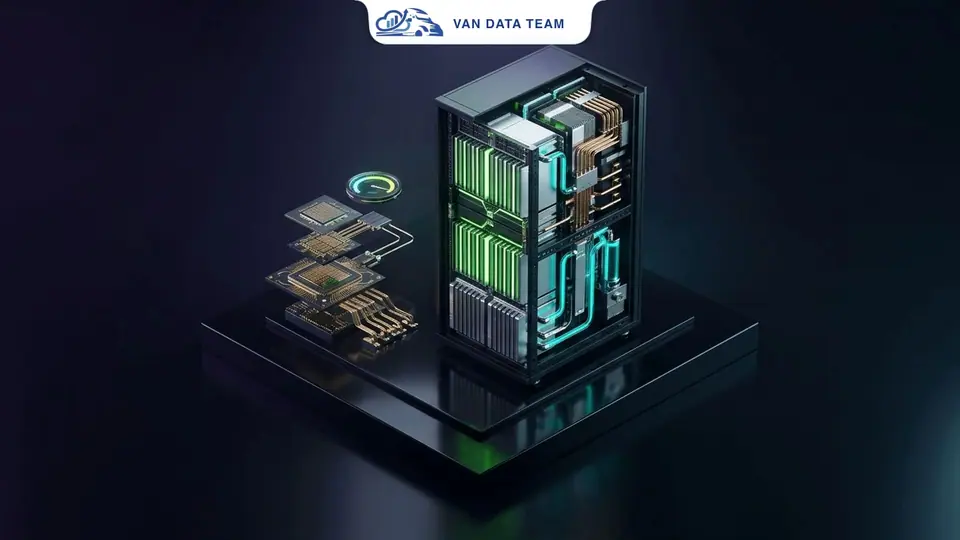
Data Platform Modernization for AI Readiness: What to Fix Before You Add LLM Workloads
A practical guide to modernizing legacy data platforms so AI workflows have stable pipelines, cleaner context, and fewer operational surprises.
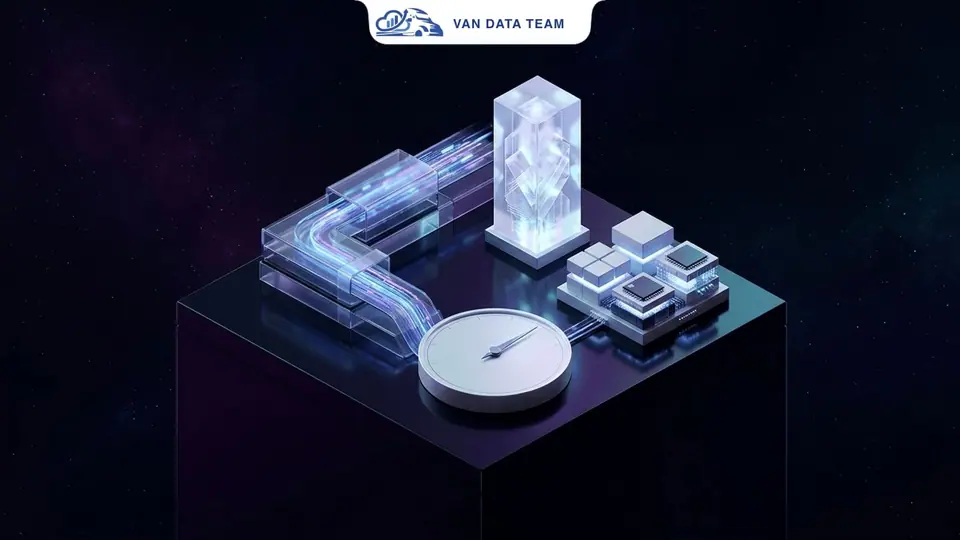
Many teams talk about becoming AI-ready as if the next step were mostly about models, prompts, or vendors. In practice, AI readiness usually exposes a platform problem that already existed.
If data is late, definitions are fragmented, pipelines are brittle, or nobody can trace where context came from, adding LLM-driven workflows tends to magnify the instability instead of fixing it.
AI workloads change the pressure on the platform
Traditional analytics workloads already need reliability, but AI systems increase the demand in a few ways:
- they often depend on fresher context
- they need cleaner retrieval or reference data
- they create new logging and traceability expectations
- they introduce more workflow paths that depend on upstream data quality
That means weak points that felt tolerable in the reporting era become more dangerous when AI enters the stack.
Modernization starts by identifying where fragility lives
Not every legacy platform needs a rebuild. Many need focused modernization in the layers where failure actually compounds.
Common pressure points include:
- ingestion that breaks without clear alerting
- warehouse models that are hard to trust or extend
- orchestration that is difficult to debug
- poor visibility into data freshness and lineage
- duplicated business logic across tools and teams
Modernization should target those bottlenecks before the team adds more workload on top.
The strongest early win is usually clarity
A lot of platform modernization work is not flashy. It is often about restoring clarity:
- which datasets are the trusted source
- which pipelines are critical
- who owns each layer
- how incidents get detected and recovered
- where AI systems should read context from
This clarity matters because AI workflows depend heavily on context quality. If the context is weak, the model becomes the visible part of a deeper systems problem.
Modernization should protect current operations
One reason teams delay platform work is fear of disruption. That concern is real. A smart modernization plan does not freeze the business while a giant migration happens in the background.
Instead, the work should be staged:
- stabilize the most fragile pipelines
- improve observability and ownership
- clean the layers that AI or automation will depend on first
- retire duplicate logic only after the new path is stable
This keeps the platform moving while still creating space for better architecture.
The takeaway
AI readiness is usually a platform conversation before it becomes a model conversation.
If the data layer is already hard to trust, new AI workflows will inherit the same uncertainty. The teams that modernize well are not chasing modernization for its own sake. They are clearing the path so new workloads can land without turning platform fragility into a bigger business risk.

Founder of Van Data Team. Builds Vanaxity, the AI agent system for SEO, GEO, and AEO, and leads data engineering delivery for B2B teams.
About the authorArticle FAQ
Questions readers usually ask next.
These short answers clarify the practical follow-up questions that often come after the main article.
Need a similar system?
If this article maps to a workflow your team already operates, the next step is usually a scoped review of the system, constraints, and rollout path.
Consultation
Scope your next AI workflow.
Share the system and blockers. We will map fit, gaps, and the next step.