 Client projectLive
Precision medicine · AI Agents
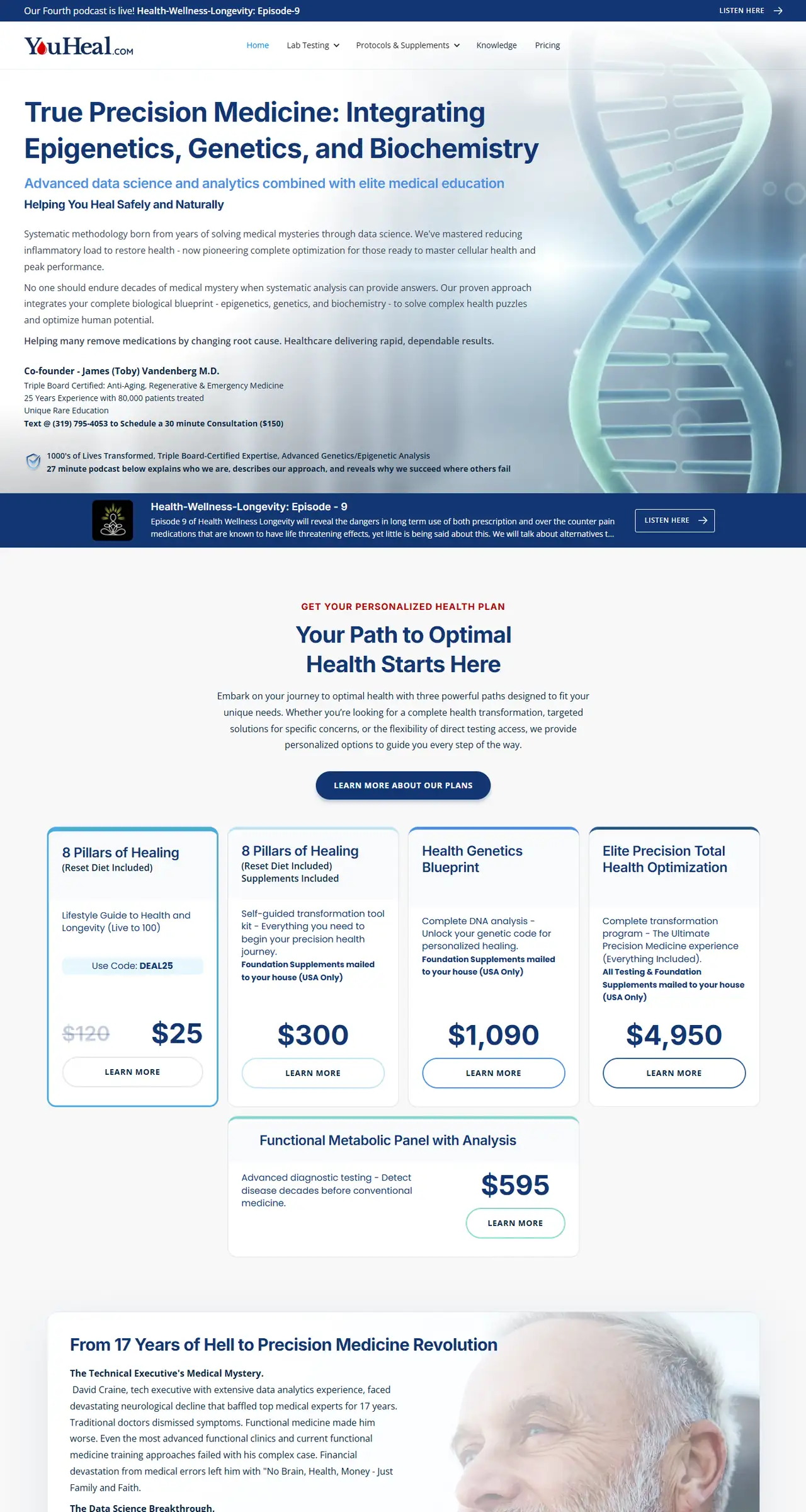
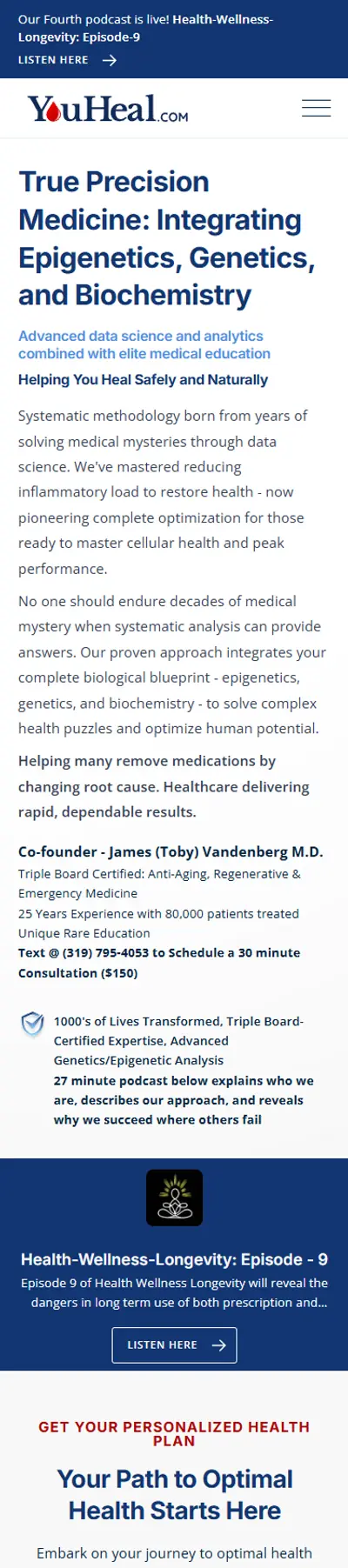
YouHeal Precision-Medicine Platform on Azure
Built by Van Data Team for YouHeal
An Azure-native platform with a client portal, practitioner tools and a personalised AI health assistant: rule-based engines produce the analysis, and the AI answers from each client's own reports and the clinic's knowledge base.
Measured outcomes
Outcome 01
Client portal, practitioner tools and an AI health assistant on Azure
Outcome 02
AI answers grounded in each client's own reports, under practitioner control
Outcome 03
Analysis from rule-based engines; the AI explains results but cannot change them
Challenge pressure
A precision-medicine practice that reads genetics, epigenetics and biochemistry together needed one place where clients and practitioners work from those results, and an assistant that explains them without inventing anything.
The situation
YouHeal practises precision medicine, combining epigenetics, genetics and biochemistry with data science to find the root causes behind complex health problems. Lab results, questionnaires and genetic reports arrive from several sources, and practitioners need them turned into reports a client can read and questions a client can ask.
What we built
A React and TypeScript web app gives clients a portal and practitioners their own workspace, over a FastAPI platform API on Azure. Background jobs collect and read lab documents, run the analysis and draft reports, and scale down to nothing when idle. The AI health assistant uses Azure AI services with retrieval over Azure AI Search, grounded in the client's own reports, profile and the clinic's curated knowledge; answers stream live, and new documents are indexed automatically as they arrive. The infrastructure is defined in Terraform and deployed through GitHub Actions.
What changed
Clients ask about their own results and get answers drawn from their own reports, and practitioners decide which documents the assistant may use.
Constraints and decisions
Analysis and explanation are kept apart: rule-based engines produce every result, and the language models only retrieve, explain and draft reports for practitioner review, so no model can change a number. Access is role-based and every question to the assistant is logged.
Technology stack
 AzureAzure AI ServicesAzure AI Search
 FastAPIReactTypeScript
 PostgreSQL
 TerraformGitHub
Need a similar system?
If this case study maps to your current workflow, the next useful step is a scoped project conversation with constraints, timeline, and integration needs.
Related case studies
More work like this

 Client projectLive
Small business operations
A supervisor agent that runs 70+ business tools for small-business owners
70+
MCP tool integrations under one supervisor
 Client projectLive
Health and fitness
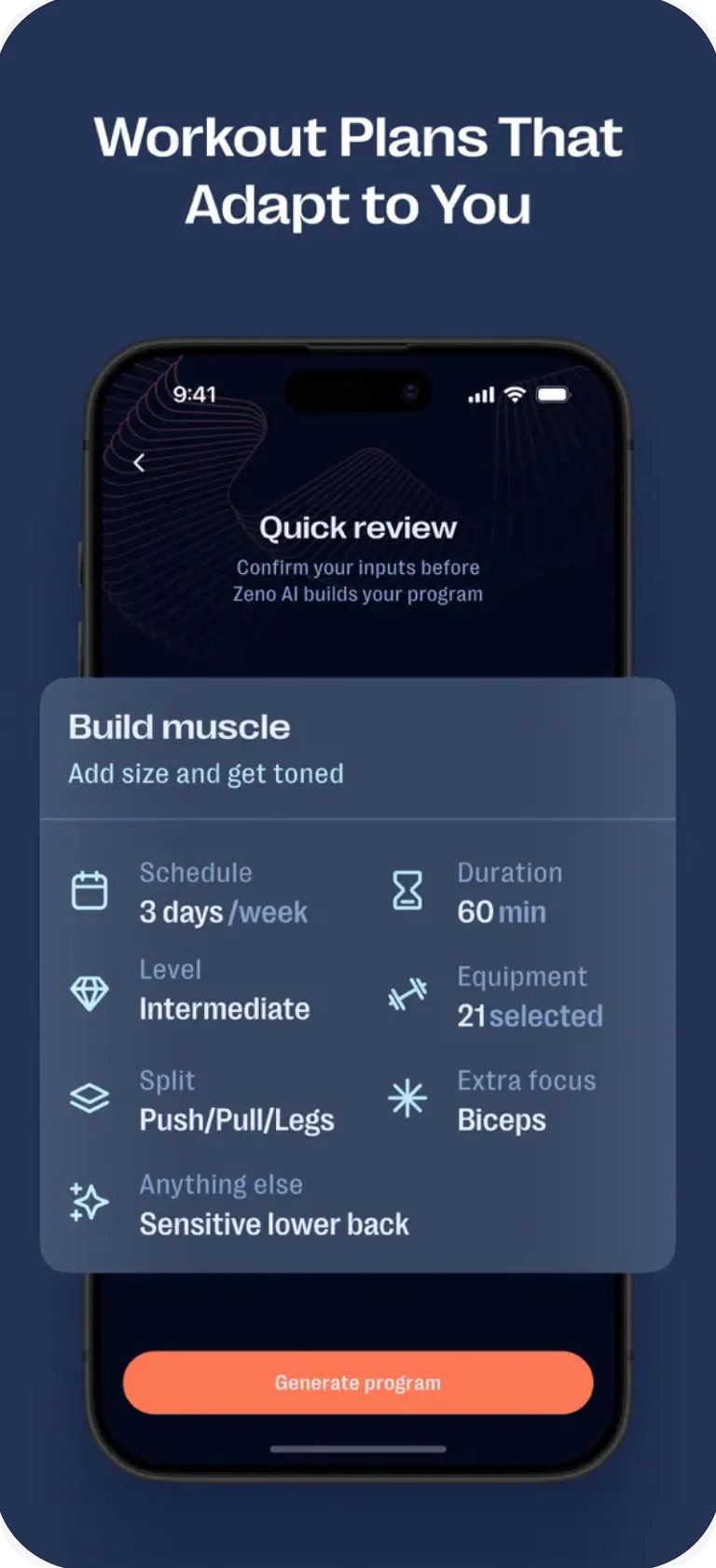
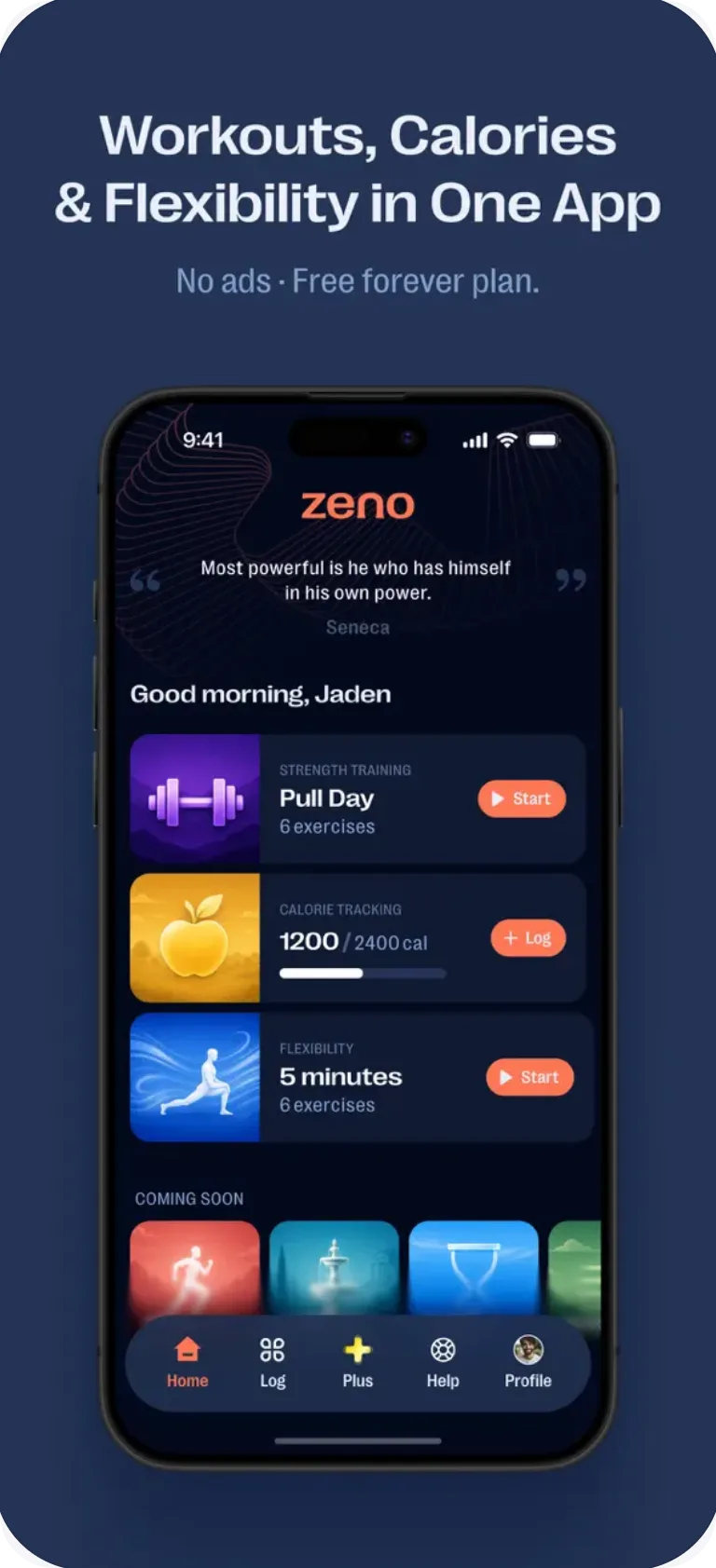
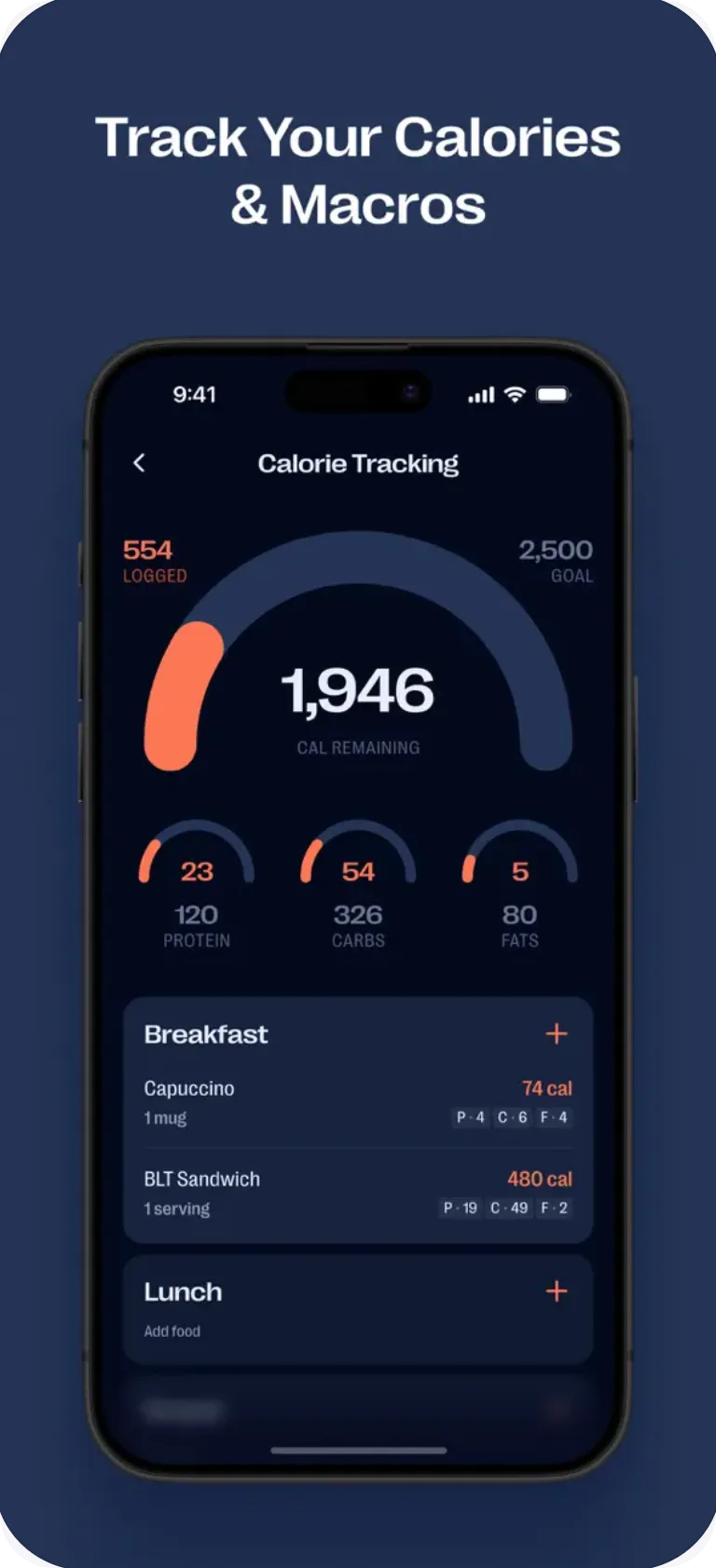
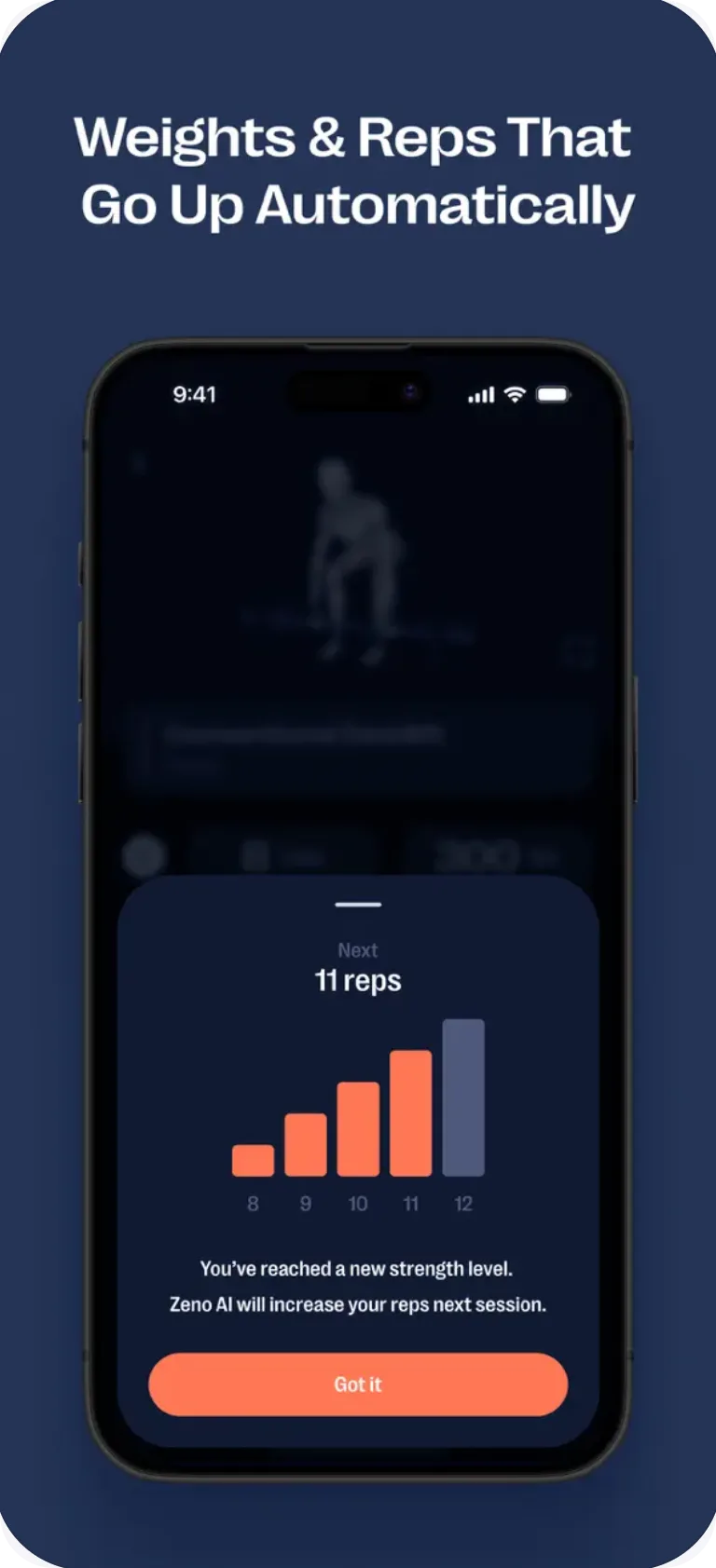
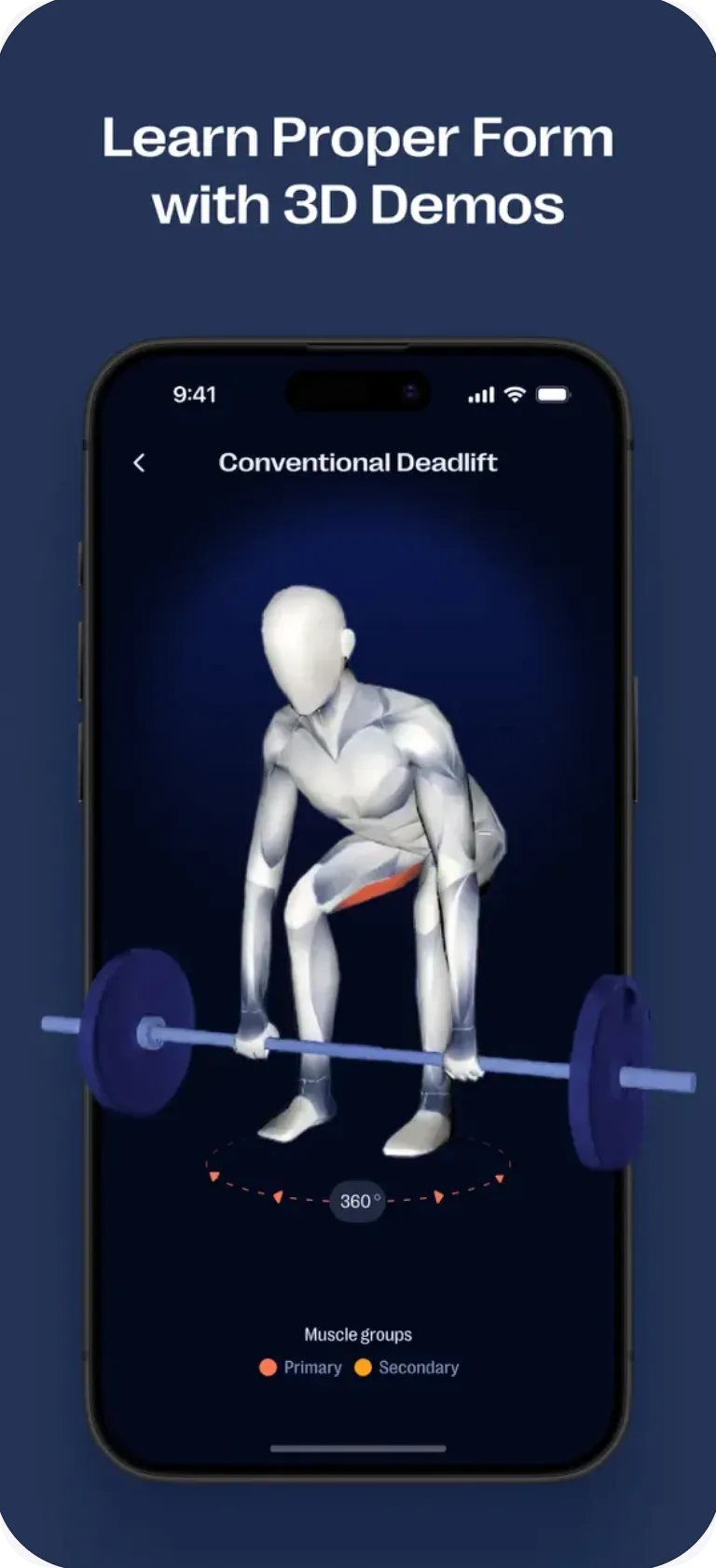
AI training programs that reach users only above 85% confidence
85%
confidence gate on every generated program