When to Modernize a Legacy Data Platform for AI Readiness
Signals that a legacy data stack is blocking AI work and how to modernize without turning the transition into a multi-quarter stall.
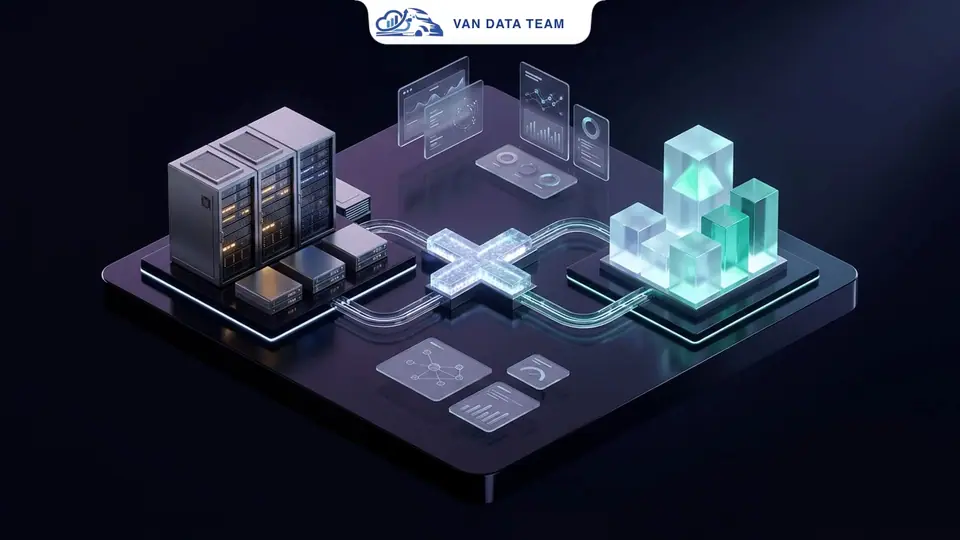
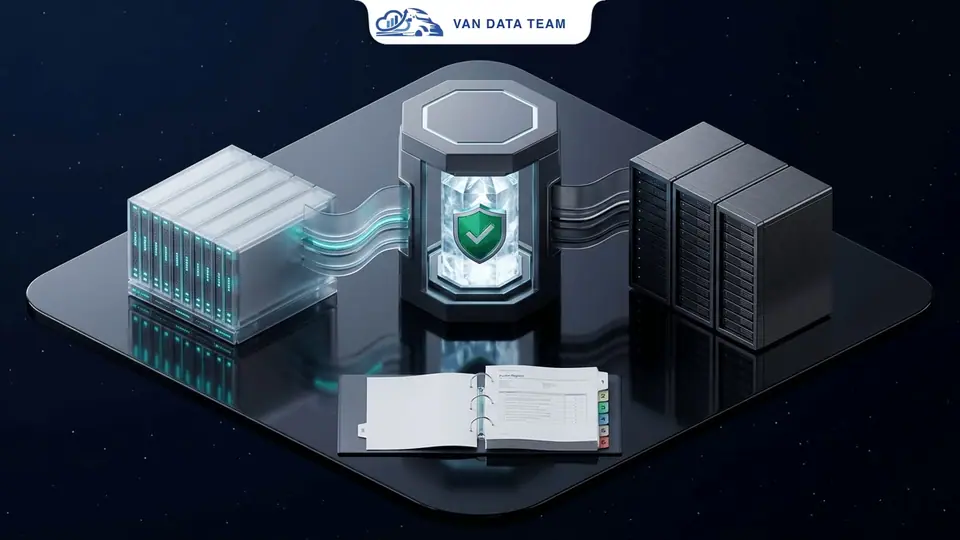
Teams often say they are not ready for AI when the real issue is that the current data platform is too brittle to support any new workflow safely.
That does not always mean a full rebuild is necessary. But it does mean the stack needs an honest review.
Four signs the platform is the bottleneck
1. Reporting logic lives in too many places
If key definitions change depending on which dashboard, spreadsheet, or service someone opens, the foundation is already too fragmented for reliable AI behavior.
2. Backfills feel dangerous
When replaying or correcting historical data risks breaking production reporting, the system is already carrying too much operational debt.
3. New integrations take too long
If every new source requires custom one-off work with unclear ownership, the platform is slowing the business before AI even enters the conversation.
4. Nobody trusts the outputs without manual checks
This is usually the clearest sign. AI systems amplify uncertainty when the underlying data is already inconsistent.
Modernize by reducing friction first
A smart modernization effort usually starts by lowering the cost of change, not by chasing a perfect target architecture.
Good first moves include:
- centralizing business definitions
- separating ingestion from business models
- adding observability to key pipeline stages
- tightening warehouse contracts used by downstream systems
These changes help both human reporting and future AI use cases.
Avoid the giant migration trap
Large modernization programs fail when they try to move everything before the business feels any benefit.
A better pattern is:
- pick one high-value workflow
- modernize the part of the platform it depends on
- prove the new operating model
- expand outward from there
This gives the team a working reference instead of a large architecture promise.
AI readiness is mostly operational readiness
Teams often think AI readiness means embeddings, vector search, or model choice. Those things matter later.
The first layer of readiness is:
- reliable source data
- stable business definitions
- traceable transformations
- clear ownership when something breaks
Without those, AI adds noise faster than value.
The takeaway
Legacy platform modernization becomes urgent when the current stack blocks trust, speed, and safe change.
The best modernization work does not begin with a grand rebuild. It begins by making one important workflow more reliable, more observable, and easier to extend into AI.

Founder of Van Data Team. Builds Vanaxity, the AI agent system for SEO, GEO, and AEO, and leads data engineering delivery for B2B teams.
About the authorArticle FAQ
Questions readers usually ask next.
These short answers clarify the practical follow-up questions that often come after the main article.
Need a similar system?
If this article maps to a workflow your team already operates, the next step is usually a scoped review of the system, constraints, and rollout path.
Consultation
Scope your next AI workflow.
Share the system and blockers. We will map fit, gaps, and the next step.